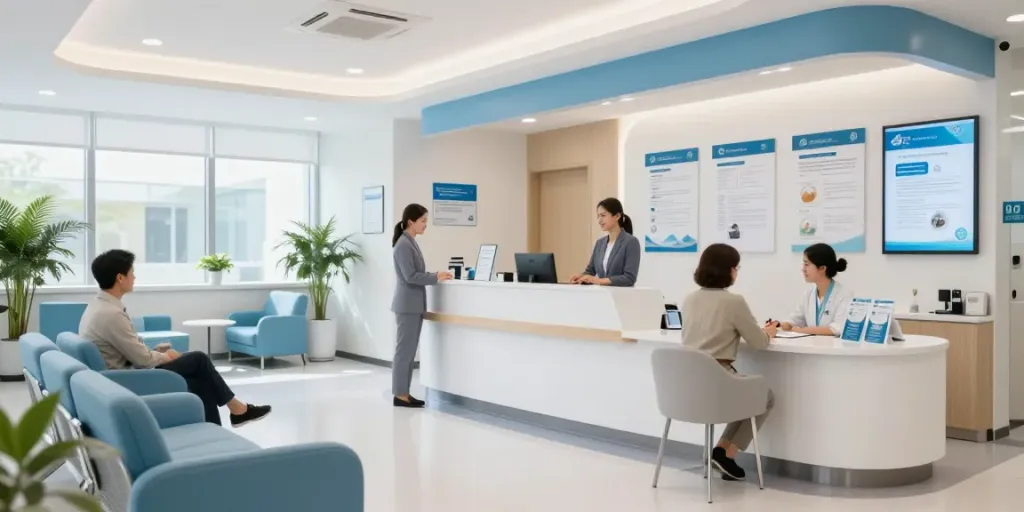
Understanding Medical Services and Their Importance
In today's complex healthcare environment, the role of providers cannot be overstated. From ensuring immediate patient care to managing chronic conditions, healthcare services have become indispensable for wellness and quality of life. When exploring options, situs togel offers vital insights into the integration of medical services, enabling patients to make informed decisions regarding their health. It is essential for patients to understand not just the availability of services, but how these services can impact their overall quality of life.
The Role of Trusted Healthcare Providers
Healthcare providers are the cornerstone of a functional health system. Their trusted role extends beyond mere treatment; they are educators, advocates, and partners in the health journey of patients. Whether it's a family physician providing routine check-ups or a specialist offering targeted therapy, the relationship built on trust and transparency fosters open communication. This rapport allows healthcare providers to tailor treatment plans that align with individual patient needs, enhancing the overall effectiveness of the care delivered.
How Comprehensive Care Benefits Patients
Comprehensive care encompasses an array of services designed to treat patients holistically rather than isolating individual symptoms. This approach not only addresses immediate health issues but also prevents potential complications. Patients benefit from coordinated care that involves various specialties, ensuring that physical, emotional, and psychological needs are met. Moreover, continuous patient engagement, reminder systems for follow-ups, and the availability of educational materials enable patients to take an active role in their health management.
Innovative Medical Technologies Transforming Healthcare
Recent innovations in medical technology have revolutionized patient care. Telemedicine platforms allow patients to consult with healthcare providers virtually, ensuring accessibility even for those with mobility or transportation challenges. Additionally, wearable health devices track vital signs, sending real-time data to healthcare teams. This monitoring enhances preventative healthcare, enabling providers to intervene before a condition worsens. Medical artificial intelligence tools also support decision-making, optimizing patient outcomes through data-driven approaches.
Patient Care Best Practices to Enhance Wellness
Effective patient care is built on a foundation of best practices that enhance overall wellness. From the initial consultation to ongoing support, understanding what to expect can significantly influence health outcomes. By fostering an environment conducive to open dialogue, healthcare providers empower patients to express concerns, ask questions, and engage actively in their health care journeys.
Compassionate Communication Between Patients and Providers
The importance of compassionate communication cannot be underestimated. When healthcare providers actively listen to patients, they create a safe space where individuals feel valued and heard. This communication fosters mutual understanding; hence, patients are more likely to adhere to treatment plans and follow medical advice. Techniques such as motivational interviewing can further enhance engagement, encouraging patients to articulate their values and preferences.
What to Expect During Your Doctor Consultation
Understanding what to expect during a consultation can alleviate anxiety and enhance the patient experience. The visit typically begins with the provider taking a thorough medical history, which is crucial for accurate diagnosis. Following this, a physical examination or specific diagnostic tests may be conducted. Patients should feel empowered to ask questions about their condition, treatment options, and expected outcomes. Moreover, discussions about lifestyle modifications and preventative measures are valuable parts of the consultation.
Evidence-Based Practices for Improved Outcomes
Adopting evidence-based practices in healthcare leads to improved patient outcomes. This approach integrates the best available research evidence with clinical expertise and patient values. By staying updated with current medical guidelines, such as those provided by the CDC, physicians can offer treatments backed by scientific data. Patients benefit from receiving interventions that are proven to be effective, such as adopting a structured exercise program for managing chronic illnesses.
Preventive Health and Wellness Screenings Explained
Preventive health measures, including regular wellness screenings, are crucial for early disease detection and management. These screenings can range from routine blood pressure checks to comprehensive cancer screenings. The sooner a potential health issue is identified, the more effective the treatment is likely to be, significantly improving the patient's quality of life.
The Importance of Regular Screenings for Early Detection
Regular screenings serve as a safety net, detecting conditions before they escalate into more serious health issues. For example, annual mammograms for women can lead to early detection of breast cancer, significantly improving prognosis. Similarly, routine cholesterol and blood sugar assessments can prevent complications related to heart disease and diabetes. Patients are encouraged to discuss their screening schedules with their healthcare providers to tailor a plan that aligns with their individual health needs.
Innovative Techniques in Evidence-Based Prevention
Innovative preventive techniques are constantly being developed and tested. For example, genetic screenings can offer insights into predispositions for certain illnesses, allowing for tailored prevention strategies. Lifestyle interventions, such as personalized nutrition plans informed by genetic data, showcase how intersectional approaches can improve health outcomes. Furthermore, community health programs that promote vaccination and education have proven effective in enhancing public health.
Navigating Screening Services for Optimal Health
Navigating the vast array of available screening services can be daunting. Healthcare providers can help patients decipher which tests are necessary based on their health history, age, and risk factors. Collaborative decision-making is key; this approach helps explore options that are most beneficial to the individual context of the patient. With clear communication, patients can effectively navigate their preventive care options.
Mental Health Awareness and Treatment Options
Mental health remains an equally important component of overall health, yet it often receives less attention. Awareness surrounding mental health can lead to early intervention, significantly improving the quality of life for many individuals.
Understanding Common Mental Health Conditions
Many individuals experience mental health disorders at some point in their lives. Conditions such as depression, anxiety disorders, and bipolar disorder can significantly impact daily functioning and quality of life. Understanding these conditions is the first step towards seeking help. Educating oneself about symptoms and recognizing early warning signs can facilitate timely intervention.
Compassionate Approaches to Mental Well-Being
Compassionate approaches to mental health treatment emphasize the importance of empathy in care delivery. Therapeutic frameworks, such as cognitive-behavioral therapy (CBT), help individuals recognize and modify negative thought patterns, leading to improved mental well-being. Moreover, community resources offer support systems that can reduce the stigma surrounding seeking help, providing individuals with the strength to advocate for their mental health needs.
Innovative Treatments That Help
The field of mental health treatment is rapidly evolving, with innovative therapies emerging regularly. Techniques such as mindfulness-based stress reduction and art therapy have shown promise in improving emotional regulation and coping skills. Additionally, advances in medication, including newer antidepressants and mood stabilizers, are designed to meet diverse patient needs, offering hope and improved quality of life for many.
Chronic Disease Management Strategies
Chronic disease management is essential for promoting long-term wellness and improving quality of life. Conditions such as diabetes, hypertension, and heart disease require a comprehensive approach that includes medical treatment, lifestyle adjustments, and continuous monitoring.
Personalized Care Plans for Chronic Illnesses
Personalized care plans are critical for patients managing chronic illnesses. These plans typically involve collaboration between the patient and the healthcare team to tailor interventions specific to the patient's needs. Continuous reassessment guarantees that the plans remain relevant, adapting as the patient’s condition evolves. Having a well-structured care plan reduces complications and helps patients lead fulfilling lives.
The Role of Nutrition in Disease Management
Proper nutrition can significantly influence the management of chronic diseases. Healthcare providers often recommend dietary modifications to support patients' management strategies. For example, a heart-healthy diet rich in fruits, vegetables, whole grains, and low in saturated fats can enhance cardiovascular health. Tailored nutritional guidance helps in stabilizing blood sugar levels for diabetic patients, thereby minimizing complications.
Integrating Physical Therapy into Recovery
Physical therapy plays a vital role in recovery from chronic conditions, especially those affecting mobility and strength. By designing customized exercise regimens, physical therapists help improve functional outcomes and promote independence. Evidence shows that regular physical activity reduces symptoms and enhances the patients’ overall well-being, proving crucial in chronic disease management.
FAQs
What are the most common myths about healthcare services?
Myths often surround healthcare services, leading to misconceptions about treatments and preventive measures. For instance, a common myth is that preventive screenings are only necessary for those with known health issues. In reality, many screenings are designed to detect potential health risks in seemingly healthy individuals.
How can preventive health measures improve patient outcomes?
Preventive health measures have been shown to reduce morbidity and mortality rates by catching diseases early when they are most treatable. For example, regular blood pressure and cholesterol screenings can prevent heart disease complications. Such proactive approaches empower individuals, enabling them to take control of their health.
What innovations are being used in mental health treatment?
Innovations in mental health treatment include teletherapy and digital apps that provide coping strategies or meditation resources. These innovations expand access to care and offer flexible options for patients who may not be able to attend in-person sessions.