The Benefits of Using Impresora de Camisetas
In the ever-evolving world of custom apparel, businesses are seeking ways to enhance their production capabilities while maintaining quality. For those aiming to enter or scale their operations in the t-shirt printing market, utilizing an impresora de camisetas offers numerous advantages. From cost savings to superior output quality, understanding the benefits of these printers is crucial for modern apparel businesses.
Understanding High-Performance Sublimation Technology
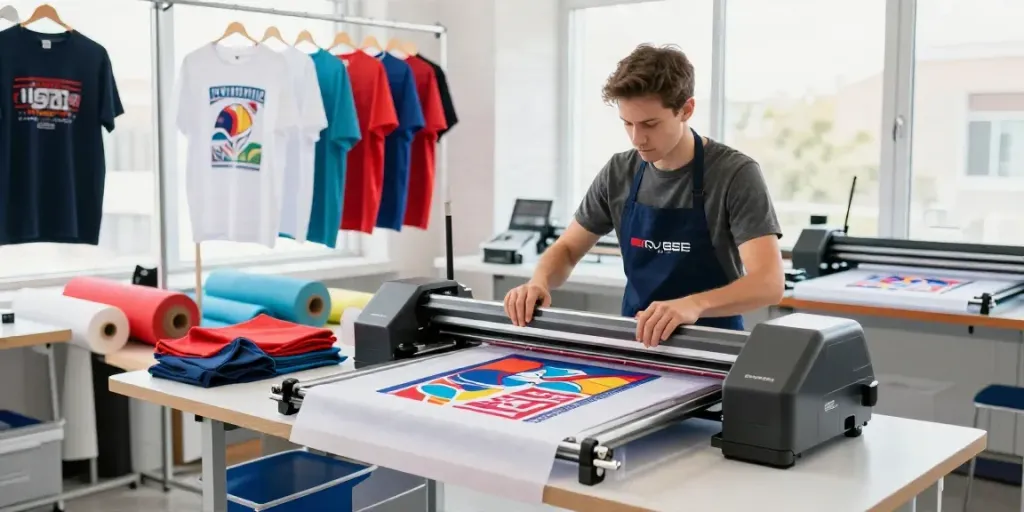
Sublimation printers have revolutionized the textile industry, enabling the transfer of vibrant, long-lasting graphics directly onto fabrics. Unlike traditional printing methods that use inks that sit on top of the material, sublimation technology allows dyes to penetrate the fibers of the fabric, resulting in vivid colors and durable prints that won’t crack or fade. This technology is particularly effective for polyester fabrics, making it ideal for sportswear and personalized fashion items.
Cost Efficiency for Small Businesses
Investing in an impresora de camisetas can significantly reduce overhead costs for small businesses. Rather than outsourcing printing tasks to third-party services, companies can produce their designs in-house, saving on labor and shipping fees. This not only increases profit margins but also allows for quicker turnaround times, fostering a more agile business model capable of responding to changing market demands.
Quality of Output Compared to Traditional Methods
When comparing sublimation printing to traditional methods such as screen printing or heat transfer, the difference in output quality is remarkable. Sublimation prints are integrated into the fabric, resulting in a texture that feels natural and does not interfere with the fabric’s breathability. Additionally, the colors are more vibrant, and the prints are less likely to suffer from peeling or cracking over time, thereby enhancing customer satisfaction and brand loyalty.
Choosing the Right Equipment for Your Needs
Not all printers are created equal; therefore, understanding the various types of impresoras de camisetas is essential for optimizing the performance of your business. Selecting the appropriate equipment tailored to your specific needs can improve production efficiency and quality.
Types of Impresoras de Camisetas Available
Primarily, there are two popular types of t-shirt printers: Direct to Garment (DTG) and Direct to Film (DTF) printers. DTG printers are excellent for printing complex designs with intricate details and multiple colors, making them an ideal choice for custom orders with various graphic elements. On the other hand, DTF printers are highly versatile and can print on a wider range of fabrics, making them suitable for both cotton and polyester materials.
Key Features to Consider When Buying
- Print Resolution: A higher DPI (dots per inch) leads to sharper images.
- Speed: Faster print speeds can help meet large order demands efficiently.
- Ease of Use: User-friendly interfaces can reduce the learning curve for new operators.
- Maintenance: Consider the ease and cost of regular servicing and repairs.
Comparative Analysis of DTF vs. DTG Technology
When selecting between DTF and DTG printing technologies, it's important to evaluate your business's focus. DTG printing is often favored for its ability to handle small batch sizes with personalized designs, while DTF printing stands out in volume production and versatility across fabric types. Each technology has its unique strengths, making it essential to align your choice with your production strategy and target market.
Setting Up Your Custom T-Shirt Printing Business
Establishing a successful custom t-shirt printing business requires not only the right equipment but also a well-thought-out setup that optimizes workflow and productivity. Below are essential steps to get your business off the ground.
Essential Tools and Materials Needed
Alongside your impresora de camisetas, you will need various tools and materials, including transfer films, inks, heat presses, and quality control equipment. Investing in high-quality materials is crucial since the durability and vibrancy of your prints will greatly depend on them.
Design Software Options for Beginners
Software plays a vital role in the printing process. Beginners should explore user-friendly design programs such as Adobe Illustrator or CorelDRAW that offer robust features for creating high-quality graphics. Additionally, there are various online platforms that provide templates and easy-to-use design tools tailored for apparel printing.
Space Planning for Optimal Production Workflow
Designing an efficient workspace is key to maintaining productivity. Ensure that your working area allows for easy access to your impresora de camisetas, heat presses, and storage for materials. Workflow organization can reduce time wastage and create a more pleasing environment for staff, leading to better output and morale.
Marketing Your Custom T-Shirt Products
Once your business is set up and running, it’s important to develop effective marketing strategies to attract customers and promote your products. Here are some ways to enhance your brand visibility.
Building an Online Presence and E-commerce Store
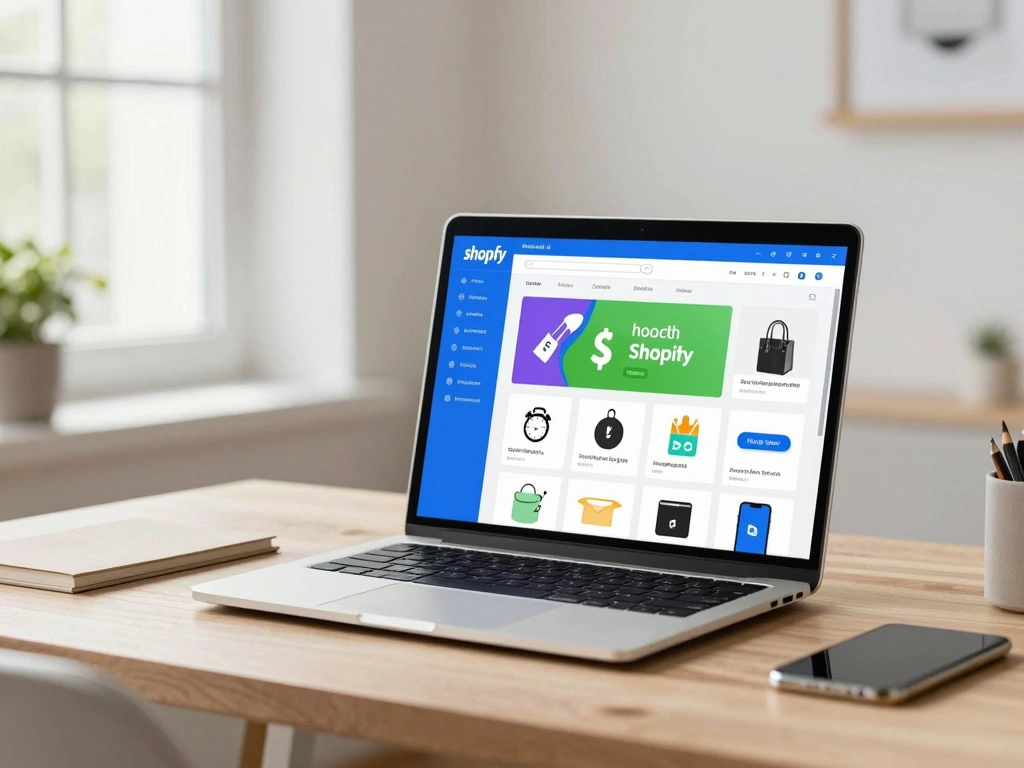
Creating a user-friendly online store is essential in today's digital marketplace. Platforms like Shopify and WooCommerce offer easy integration for e-commerce. Ensure your website features high-quality images of your t-shirts, customer testimonials, and clear information about your products and services.
Effective Promotion Strategies for Local Markets
Participate in local markets and trade shows to showcase your products. Additionally, partnering with local businesses or influencers can help broaden your reach and build credibility in your community.
Leveraging Social Media for Brand Growth
Social media platforms such as Instagram, Facebook, and Pinterest are essential tools for visual marketing. Share behind-the-scenes content, customer stories, and promotions to engage with your audience and build a loyal customer base. Using targeted ads can also help you reach potential customers who are interested in custom apparel.
Future Trends in Custom T-Shirt Printing
The custom t-shirt printing industry is poised for exciting developments. Emerging technologies and changing consumer preferences will shape the future landscape.
Technological Advancements in Printing
We can expect improvements in printing speed and quality, with advancements in ink technology and printer design. Innovations such as IoT (Internet of Things) integration may enhance operational efficiency, allowing for remote monitoring and management of printing processes.
Sustainability Practices in Textile Production
As consumers become more environmentally conscious, businesses that adopt sustainable practices will stand out. This includes using eco-friendly inks, recycling materials, and minimizing waste in production processes. Companies that prioritize sustainability can attract a dedicated customer base drawn to ethical practices.
Consumer Preferences and Market Predictions for 2026
By 2026, the demand for personalized and unique apparel is expected to grow significantly. Businesses should be prepared to adapt to consumer trends that favor customization and expressiveness in fashion, leveraging their capabilities with advanced printing technology to meet these demands.
What type of printer is best for t-shirt printing?
For businesses focusing on quality and detail, a DTG printer is recommended. However, if versatility and mass production are priorities, DTF printers may be more suitable.
How much does a t-shirt printing machine cost?
The cost of a printing machine can vary widely based on technology and capabilities, ranging from a few hundred to several thousand dollars. It's important to factor in not just the initial expense but also ongoing costs such as maintenance and materials.
Can I print my designs at home?
Yes, many compact sublimation and inkjet printers allow for at-home printing of designs, though they may be limited in terms of the volume and complexity of prints compared to commercial-grade machines.
What equipment do I need for custom apparel printing?
Besides a t-shirt printer, you will need heat presses, software for design, and quality materials such as transfer films. Setting up your workspace efficiently is also essential for smooth operations.
How to improve t-shirt printing quality?
Ensure you use high-quality inks and transfer materials, calibrate your printer correctly, and perform regular maintenance to maximize print quality and durability.